
Call us now :07971549608
 Send Inquiry
 Send Inquiry
Long Rod Insulators
Price 1500 INR/ Piece
MOQ : 10 Pieces
Long Rod Insulators Specification
- Size
- 400 mm - 1700 mm length
- Installation Guideline
- Mount on tower cross-arm or pole with appropriate hardware; Ensure correct alignment; Use with specified tension fittings
- Coating Type
- Porcelain glaze / Composite silicone rubber coating
- Layer
- Single or Dual Layer
- Thermal Conductivity
- Low thermal conductivity (porcelain/composite)
- Surface Treatment
- Glazed/Non-glazed Surface
- Density
- 2.5 Gram per cubic centimeter(g/cm3)
- Feature
- Non-brittle, high mechanical strength, UV resistant
- Product Type
- Long Rod Insulator
- Material
- Porcelain / Composite Polymer
- Rated Voltage
- 11 kV to 400 kV
- Tensile Strength
- 220 kN (for EHV types)
- Width
- As per design / Typically 100-240 mm
- Thickness
- Variable, based on strength requirements
- Application
- High voltage overhead transmission lines
- Breakdown Voltage
- 50 kV (per unit based on kV rating)
- Heat Conductivity
- Low / 1.0 W/mK (typical for porcelain)
- Color
- Brown / Grey
- Max Withstanding Temperature
- Up to 120C
- Weight
- 3 kg 15 kg
- Standard
- IEC 61109 / IS:5300
- UV Resistance
- Excellent (suitable for outdoor exposure)
- Creepage Distance
- 320 mm 5250 mm (as per voltage level)
- Power Frequency Withstand Voltage
- Up to 160 kV (as per IEC standards)
- Salt Fog Withstand Capability
- Meets required ESDD/NSDD values for harsh environments
- Flashover Voltage (Wet/Dry)
- >100 kV / >150 kV (for typical ratings)
- Design
- Solid core rod, weather resistant sheds
- Mounting Type
- Ball & Socket / Tongue & Clevis Metal Fittings
- Arc Resistance
- High, suitable for polluted environments
- Mechanical Failing Load
- Up to 300 kN
- Resistance to Tracking and Erosion
- High - Especially for silicone polymer types
Long Rod Insulators Trade Information
- Minimum Order Quantity
- 10 Pieces
- Supply Ability
- 1000 Pieces Per Month
- Delivery Time
- 15 Days
About Long Rod Insulators
The provided Long Rod Insulator is safe against weather, rust, and water. It is also durable, cost-effective and life-saving. This comes with accurate earthing guarantees longer life. It is simple to install and start-up. Our Long Rod Insulator comprises 6.2- or 14-mm thin base. Besides, it is available with pluggable transfers with handy exchanging limits. It also has an elongated administration life.
Technical Specifications
| Minimum Order Quantity | 100 Unit |
| Material | Polymer/Silicone |
| Brand | Rashtriya |
| Color | Grey |
| Voltage (V) | 66 kV - 720 kV |
| Tensile Strength (kN) | 70 - 160 |
| Diameter (mm) | 24 |
Superior Performance for High Voltage Applications
These long rod insulators are specifically designed for overhead transmission lines coping with demanding voltage levels and harsh environmental conditions. Their solid core rod construction and advanced coating ensure stable operation, minimal breakdown risk, and long service life even in polluted or coastal areas.
Adapted for Extreme Weather and Pollution
Featuring high arc resistance, robust UV stability, and salt fog withstand capabilities, these insulators are ideal for regions prone to heavy pollution or severe weather. Their durable, glazed or silicone-coated surfaces reduce risks of tracking and erosion, helping maintain grid reliability under adverse conditions.
Flexible Installation and Multiple Material Choices
Choose from porcelain or advanced composite polymers to meet project-specific insulation and mechanical demands. Mounting options include ball & socket or tongue & clevis fittings for efficient attachment to tower cross-arms or poles, ensuring adaptability across various transmission line configurations.
FAQs of Long Rod Insulators:
Q: How should long rod insulators be installed on transmission lines?
A: Install the insulators on tower cross-arms or poles using the specified hardware, ensuring correct alignment and the use of designated tension fittings. This process improves mechanical stability and prevents undue stress on the insulator.Q: What are the advantages of using composite polymer versus porcelain insulators?
A: Composite polymer insulators are lighter, offer superior resistance to tracking and erosion, and maintain high mechanical strength. Porcelain types provide traditional durability and low thermal conductivity. Both options meet IEC 61109 / IS:5300 standards.Q: When is it recommended to use long rod insulators with high creepage distances?
A: High creepage distance insulators are recommended for polluted environments or areas prone to heavy salt fog, as they effectively prevent surface leakage currents and flashovers, thereby enhancing operational reliability.Q: Where can these long rod insulators be used?
A: They are primarily used on high voltage overhead transmission lines handling voltages from 11 kV to 400 kV. The robust design makes them suitable for both urban and rural installations across varying climatic zones.Q: What process ensures the insulators suitability for harsh outdoor conditions?
A: High-quality materials, advanced glazing or silicone rubber coatings, and precise manufacturing to IEC/IS specifications ensure excellent resistance to UV, tracking, erosion, and salt fogmaking them exceptionally robust for outdoor use.Q: What are the main benefits of using these insulators for transmission lines?
A: They offer excellent mechanical strength, high electrical insulation, long-term durability, and reliable performance in polluted or coastal environments, ultimately reducing maintenance needs and improving network uptime.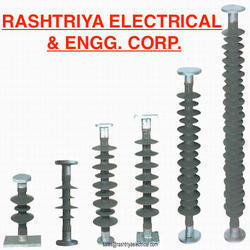
Tell us about your requirement

Price:
Quantity
Select Unit
- 50
- 100
- 200
- 250
- 500
- 1000+
Additional detail
Mobile number
Email

More Products in Line Insulator Category
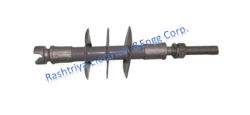
11KV 5KN Polymer Pin Insulator
Price 100 INR / Bag
Minimum Order Quantity : 1000 Pieces
Feature : Lightweight, Antifog, Corrosionresistant, High Mechanical Strength
Color : Red / Grey
Tensile Strength : 5 kN
Product Type : Polymer Pin Insulator
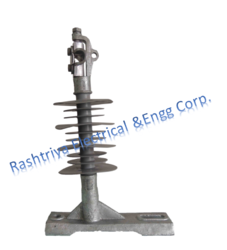
Grey Color Polymer Line Post Insulator
Price 800 INR / Piece
Minimum Order Quantity : 100 Pieces
Feature : Lightweight and durable
Color : Grey
Tensile Strength : High tensile strength for mechanical load
Product Type : Line Post Insulator

 Send Inquiry
Our Products
- Disc Insulator
- Line Insulator
- Polymer Post Insulator
- Polymer Pin Insulator
- Polymer Insulator
- FRP Products
- Cut Out Fuse Unit
- Post Insulator
- Air Break Switch
- Surge Arrester
- Line Isolator
- Lightning Arrester
- Drop Out Fuse Unit
- Polymer Lightning Arrester
- High Tension Insulators
- Disc Fitting & Hardware
- Chemical Earthing Material
- Low Tension Insulators
- LT Shackle Insulator
- Aluminium Connectors
- Air Break Switch 6 Insulator
- Tension Fittings
- Dropout Fuse
- Gang Operating Switch
- ABC Fitting
- Disc Fittings
- Discharge Electrode
- Pin Insulator


C-2, Sector A-3, Tronica City, Loni,Ghaziabad - 201102, Uttar Pradesh, India

Mr Sunny
(Business Development Associate)
Mobile :07971549608
 Send Inquiry
 Send SMS
Developed and Managed by Infocom Network Private Limited.
 English
 Spanish
 French
 German
 Italian
 Chinese (Simplified)
 Japanese
 Korean
 Arabic
 Portuguese