
Call us now :07971549608
 Send Inquiry
 Send Inquiry
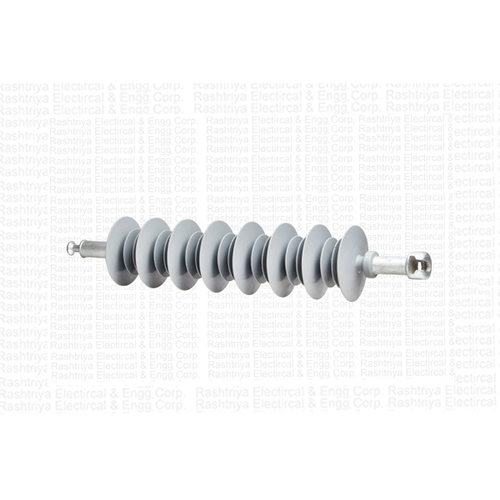
Polymer Electric Insulator
Price 95 INR/ Bag
MOQ : 1000 Pieces
Polymer Electric Insulator Specification
- Product Type
- Polymer Electric Insulator
- Material
- Silicone Rubber & FRP Rod
- Capacity
- 10 kN - 120 kN Mechanical Strength
- Application
- Overhead Transmission & Distribution Line
- Galvanization Standard
- Hot Dip Galvanized Hardware
- Out Coating
- Silicone Rubber Housing
- Standard
- IS 14252 / IEC 61109
- Shape
- Cylindrical/Tubular
- Surface Treatment
- UV Resistant
- Height
- 280 mm (Typical)
- Voltage
- 11 kV - 33 kV
- Design
- Shackle/Pin/Disc Type
- Thickness
- 6-25 mm (Approx)
- Color
- Red / Grey
- Tensile Strength
- Minimum 70 kN
- End Fittings
- Forged Steel / Hot Dip Galvanized
- Hydrophobicity
- Excellent
- Packing Type
- Carton / Wooden Box
- Service Life
- 25 Years
- Creepage Distance
- 320 mm - 900 mm
- Temperature Range
- -40C to +60C
- Leakage Current
- <1.5 mA
- Environmental Resistance
- Acid & Alkali Resistant
- Weight
- 2.5 kg (Approx)
- Fire Resistance
- Self-Extinguishing
- Applicable Standards
- IS, IEC, ANSI
Polymer Electric Insulator Trade Information
- Minimum Order Quantity
- 1000 Pieces
- Supply Ability
- 1000 Pieces Per Month
- Delivery Time
- 10-15 Days
About Polymer Electric Insulator
Technical Specifications
| Minimum Order Quantity | 1000 Piece |
| Color | Gray |
| Size | 33kv |
| Usage/Application | Power Distribution |
| Brand | Rashtriya Electrical &amp;amp; Engg Corp |
| Voltage | 11kV |
| Material | Polymer |
Exceptional Hydrophobicity and Environmental Resistance
Benefit from excellent hydrophobic properties and robust acid & alkali resistance. Our polymer electric insulators are optimally designed with silicone rubber housing, providing reliable performance even in highly polluted or moisture-rich environments. The self-extinguishing and UV-resistant surface treatment helps maintain integrity and safety over its extensive lifespan.
Reliable Performance Across Extreme Temperatures
These insulators remain fully operational within a temperature range of -40C to +60C, ensuring faultless performance in freezing winters or scorching heat. Such adaptability makes them ideal for varied climates, supporting transmission and distribution lines throughout India and abroad.
Compliance with International Standards and Long Service Life
Each polymer electric insulator is manufactured in strict accordance with IS 14252, IEC 61109, and ANSI standards. With a minimum service life of 25 years and mechanical strength up to 120 kN, these insulators consistently deliver reliability and safety for utility and industrial applications.
FAQs of Polymer Electric Insulator:
Q: How is the polymer electric insulator installed for overhead transmission lines?
A: The insulator is mounted by attaching its forged steel and hot dip galvanized end fittings to the designated structure using shackle, pin, or disc type designs. Proper tightening and alignment ensure optimal mechanical and electrical performance.Q: What benefits does the silicone rubber and FRP rod material provide?
A: Silicone rubber housing offers outstanding hydrophobicity, UV resistance, and fire resistance, while the FRP rod delivers high mechanical strength, making the insulator suitable for extreme weather, acid, and alkali environments.Q: When should you consider using a polymer insulator over porcelain or glass types?
A: Polymer insulators are preferred in highly contaminated, coastal, or high humidity areas where self-cleaning, lightweight design, and excellent electrical properties are required for overhead transmission or distribution lines.Q: Where can these insulators be applied?
A: These insulators are intended for use in overhead transmission and distribution lines, and are adaptable for utility, industrial, or renewable energy projects across urban, rural, and remote regions.Q: What is the process for manufacturing and quality assurance?
A: Insulators are produced using silicone rubber molding around an FRP rod, with forged steel fittings subjected to hot dip galvanization. Each unit is tested for leakage current, tensile strength, and fire resistance according to IS, IEC, and ANSI standards, ensuring consistent quality.Q: How does the excellent hydrophobicity of the insulator improve system performance?
A: Enhanced hydrophobicity prevents water film formation, reducing leakage current and minimizing flashover risk. This ensures continuous electrical insulationeven in rain or pollutionresulting in less maintenance and greater reliability.Q: What packing options are available for safe transportation?
A: Polymer electric insulators are packed in robust carton boxes or wooden crates based on client specifications, ensuring damage-free delivery throughout India and for export shipments.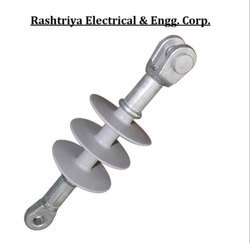
Tell us about your requirement

Price:
Quantity
Select Unit
- 50
- 100
- 200
- 250
- 500
- 1000+
Additional detail
Mobile number
Email

More Products in Polymer Insulator Category
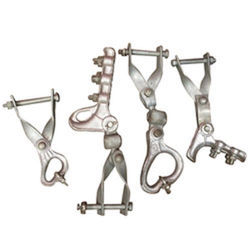
Disc Fitting
Price 70 INR / Bag
Minimum Order Quantity : 500 Pieces
Out Coating : Zinc Coating
Capacity : Load Bearing up to 50 kN
Thickness : 5 mm
Application : Scaffolding System
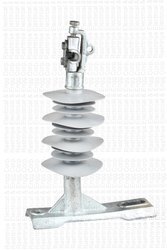
Line Post Insulators
Price 2000 INR / Carton
Minimum Order Quantity : 1000 Pieces
Out Coating : Porcelain glazed coating
Capacity : High voltage
Thickness : Uniform porcelain thickness
Application : Electrical distribution systems
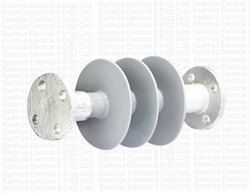
Composite Post Insulators
Price 135 INR / Bag
Minimum Order Quantity : 1000 Pieces
Out Coating : Silicone Rubber
Capacity : High Voltage
Thickness : Specified per design
Application : Electrical Insulation

 Send Inquiry
Our Products
- Disc Insulator
- Line Insulator
- Polymer Post Insulator
- Polymer Pin Insulator
- Polymer Insulator
- FRP Products
- Cut Out Fuse Unit
- Post Insulator
- Air Break Switch
- Surge Arrester
- Line Isolator
- Lightning Arrester
- Drop Out Fuse Unit
- Polymer Lightning Arrester
- High Tension Insulators
- Disc Fitting & Hardware
- Chemical Earthing Material
- Low Tension Insulators
- LT Shackle Insulator
- Aluminium Connectors
- Air Break Switch 6 Insulator
- Tension Fittings
- Dropout Fuse
- Gang Operating Switch
- ABC Fitting
- Disc Fittings
- Discharge Electrode
- Pin Insulator


C-2, Sector A-3, Tronica City, Loni,Ghaziabad - 201102, Uttar Pradesh, India

Mr Sunny
(Business Development Associate)
Mobile :07971549608
 Send Inquiry
 Send SMS
Developed and Managed by Infocom Network Private Limited.
 English
 Spanish
 French
 German
 Italian
 Chinese (Simplified)
 Japanese
 Korean
 Arabic
 Portuguese